
Eco-Friendly Homes: Designing a Sustainable Future
Sustainable interior design combines comfort, functionality, and environmental responsibility. From natural materials to energy-efficient solutions, small design choices can create healthier and more sustainable homes.
1. Choosing Sustainable Materials
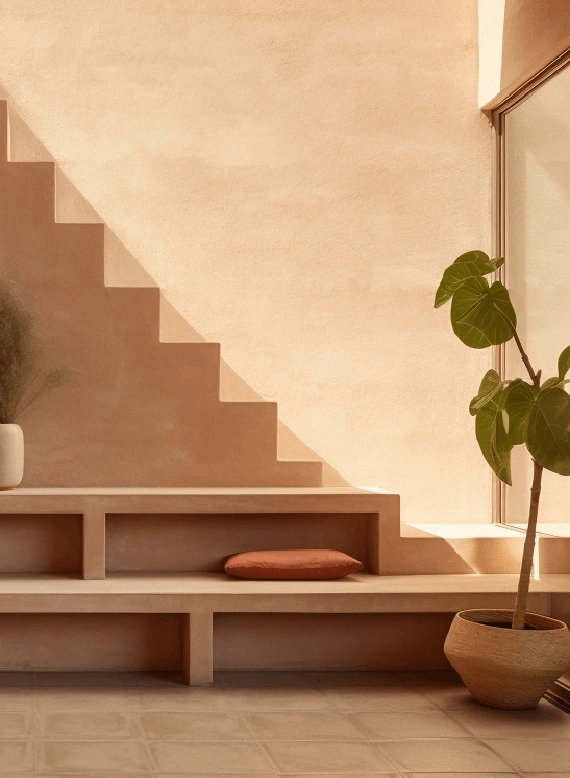
Natural and renewable materials such as bamboo, cork, reclaimed wood, and organic fabrics can reduce the environmental impact of interior design. These materials also bring warmth and character to living spaces.
"Beautiful spaces can also be responsible spaces."
.webp)
2. Maximizing Energy Efficiency
Energy-efficient lighting, appliances, insulation, and smart home systems can significantly reduce energy consumption. Using LED lighting and making better use of natural daylight are simple ways to improve efficiency.
"The most sustainable energy is the energy we don't waste."
3. Bringing Nature Indoors
Indoor plants can improve the atmosphere of a home while creating a stronger connection with nature. Natural textures, earthy colors, and indoor gardens can also make spaces feel calm and inviting.
"Nature has a place in every thoughtfully designed home."
4. Designing for Long-Term Use
Sustainable design is not only about choosing environmentally friendly materials. It is also about creating spaces that remain useful and attractive for many years. Durable furniture and timeless designs reduce the need for frequent replacements.
"Good design should last beyond trends."
About Author

Daniel Morgan
Sustainable Design ConsultantDaniel Morgan is a sustainable design consultant specializing in environmentally conscious residential architecture and interior design. He helps homeowners create comfortable, energy-efficient spaces using responsible materials and practical design strategies.
Related Articles
 August 04, 2026
The Art of Modern Living: Creating Spaces That Inspire